Love is wonderful, but will it last? Discover the ten Tarot cards that suggest a relationship has the potential to endure for years—or even a lifetime.
When people consult the Tarot about love, they’re often hoping to see cards like the Lovers, the Two of Cups, or the Ace of Cups. These are certainly wonderful cards for romance, attraction, and emotional connection. But there’s an important difference between falling in love and building a relationship that lasts.
A passionate romance can burn brightly and disappear just as quickly. A lasting relationship requires something more: mutual respect, emotional compatibility, commitment, patience, and the ability to grow together through life’s inevitable changes.
Fortunately, the Tarot contains several cards that represent these enduring qualities.
Here are ten of the most encouraging Tarot cards to look for when asking whether a relationship has the potential to stand the test of time.
1. Ten of Pentacles — A Lifetime Together
Keywords: Long-term commitment, family, security, lasting love
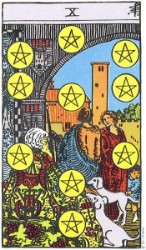
If you’re asking whether a relationship will endure, the Ten of Pentacles is one of the most encouraging cards in the entire Tarot deck.
In the Rider-Waite-Smith Tarot, the card depicts several generations of a family gathered in a prosperous household. An elderly man sits surrounded by the people, animals, and possessions that represent a lifetime of accomplishment.
Unlike cards that emphasize romantic passion, the Ten of Pentacles represents something more substantial: a relationship that becomes part of the enduring structure of life.
It suggests shared responsibilities, financial stability, family connections, and the creation of something that will last beyond the initial excitement of falling in love.
In a relationship reading: The Ten of Pentacles suggests the potential for a lifelong partnership, particularly one built around shared values, security, and mutual commitment.
2. Four of Wands — Building a Life Together
Keywords: Marriage, celebration, stability, shared happiness
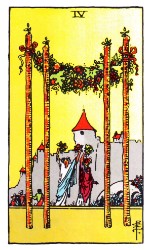
The Four of Wands is traditionally associated with weddings, celebrations, and happy homes.
In the Rider-Waite-Smith deck, two figures celebrate beneath a floral garland supported by four upright wands. In the background stands a castle, suggesting security and permanence.
The four wands themselves are important. The number four represents structure, stability, and a firm foundation.
This is not simply a card about two people enjoying each other’s company. It represents two people creating a stable environment in which their relationship can flourish.
In a relationship reading: The Four of Wands suggests a partnership with the potential to develop into marriage, a shared household, or a long-lasting domestic arrangement.
3. Temperance — The Secret of Lasting Love
Keywords: Patience, compromise, harmony, emotional balance
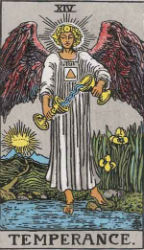
Temperance may be one of the most underrated relationship cards in the Tarot.
After all, lasting relationships aren’t built entirely on romance. They require patience, understanding, compromise, and the willingness to accommodate another person’s needs.
In the Rider-Waite-Smith Tarot, an angel pours water between two cups, symbolizing the blending of different elements into a harmonious whole.
This is an especially appropriate image for a successful relationship. Two people don’t have to be identical to be compatible. They simply need to learn how to combine their different personalities, desires, and expectations into a workable partnership.
Temperance suggests that both partners possess—or are developing—the emotional maturity necessary to make that happen.
In a relationship reading: Temperance is an excellent indication that a couple can resolve disagreements, accommodate differences, and maintain harmony over time.
4. The Hierophant — Commitment and Shared Values
Keywords: Marriage, tradition, loyalty, commitment
The Hierophant represents tradition, established institutions, and the values that hold communities together.
In relationship readings, it frequently suggests marriage or another form of formal commitment.
However, its deeper significance lies in the importance of shared beliefs and expectations.
Two people may be passionately attracted to one another, but if they have fundamentally incompatible ideas about fidelity, family, money, or their future together, the relationship may eventually encounter serious difficulties.
The Hierophant suggests that a couple shares a common understanding of what their relationship means and what each partner expects from it.
In a relationship reading: The Hierophant suggests a relationship supported by shared values, mutual obligations, and a serious commitment to remaining together.
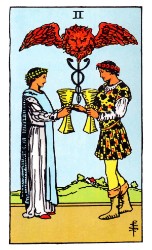
5. Two of Cups — A Partnership of Equals
Keywords: Mutual love, compatibility, respect, emotional connection
The Two of Cups is one of the most familiar romantic cards in the Tarot, but it represents something considerably more important than simple attraction.
In the Rider-Waite-Smith deck, a man and woman face each other, each holding a cup. Their positions suggest equality, reciprocity, and mutual recognition.
Unlike relationships in which one person pursues while the other withdraws, the Two of Cups suggests that both partners are emotionally invested.
This mutuality is one of the essential foundations of a lasting relationship.
Of course, the Two of Cups doesn’t guarantee permanence. However, it suggests that the relationship begins with an important advantage: both people genuinely want to be together.
In a relationship reading: The Two of Cups indicates mutual affection, emotional compatibility, and the potential for a balanced partnership.
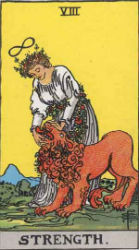
6. Strength — Love That Survives Difficult Times
Keywords: Compassion, patience, resilience, understanding
Every long-term relationship eventually encounters difficulties.
There will be disagreements, disappointments, stressful circumstances, and moments when one partner needs considerably more patience than the other.
That’s where Strength becomes particularly significant.
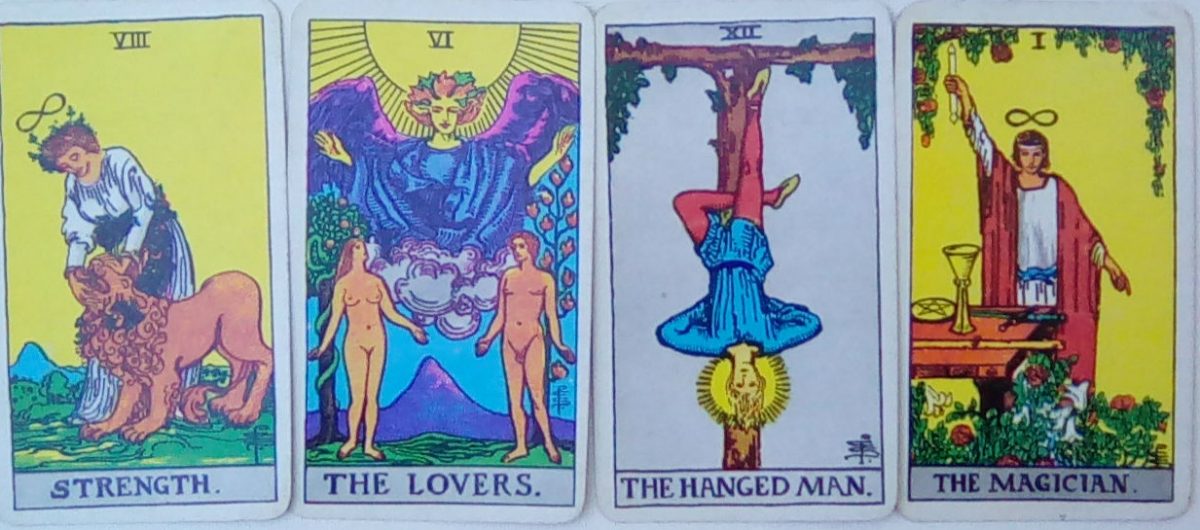
In the Rider-Waite-Smith Tarot, a woman gently closes the mouth of a lion. She doesn’t overpower the animal through violence or domination. Instead, she uses patience, confidence, and gentle persuasion.
In a relationship, Strength represents the ability to respond to difficulties with compassion rather than anger.
It also suggests emotional resilience: the capacity to remain committed when circumstances become challenging.
In a relationship reading: Strength suggests that a couple has the patience, compassion, and emotional endurance necessary to overcome obstacles without destroying their relationship.
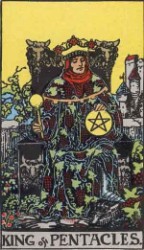
7. King of Pentacles — Reliability and Devotion
Keywords: Stability, loyalty, responsibility, dependability
The King of Pentacles may not be the most exciting romantic figure in the Tarot, but he possesses qualities that become increasingly valuable as a relationship matures.
He represents stability, responsibility, practical wisdom, and the ability to provide a secure foundation for the future.
This isn’t necessarily about wealth. It’s about reliability.
The King of Pentacles is someone who follows through on promises, takes responsibilities seriously, and understands that love must be expressed through actions as well as words.
In relationship readings, the card can describe either partner, regardless of gender.
In a relationship reading: The King of Pentacles suggests a dependable, loyal partner who is willing to invest the time, energy, and practical effort necessary to maintain a lasting relationship.
8. Six of Cups — Affection That Deepens With Time
Keywords: Enduring affection, shared history, kindness, emotional bonds
The Six of Cups is often associated with childhood memories, nostalgia, and relationships from the past.
However, it also has a particularly beautiful meaning when considering the future of an existing relationship.
The card depicts a gentle exchange of flowers between two figures, suggesting affection, kindness, and emotional generosity.
In a long-term relationship, these qualities are essential.
Passion may fluctuate over the years, but genuine affection can continue to deepen. Shared experiences become treasured memories, and the partners develop a sense of familiarity and emotional security.
The Six of Cups suggests the kind of love that becomes more comfortable and meaningful with the passage of time.
In a relationship reading: The Six of Cups suggests enduring affection, emotional tenderness, and a bond strengthened by shared memories and experiences.
9. The World — A Relationship That Goes the Distance
Keywords: Fulfillment, completion, maturity, lasting achievement
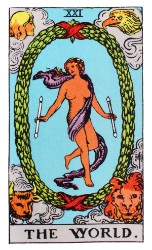
The World is the final card of the Major Arcana, representing completion, integration, and the successful conclusion of a long journey.
In a relationship reading, it can suggest that two people have achieved—or are capable of achieving—a mature and fulfilling partnership.
The World is particularly interesting because it doesn’t represent the excitement of beginning something new.
Instead, it represents the satisfaction of having traveled a long road and arrived at a place of fulfillment.
In this sense, it is an excellent symbol of lasting love.
The relationship has moved beyond infatuation and uncertainty into something more complete and integrated.
There is one important qualification: depending on the surrounding cards, the World can also indicate the completion of a relationship rather than its continuation.
In a relationship reading: When supported by positive relationship cards, the World suggests a mature, fulfilling partnership with the potential to endure.
10. Eight of Pentacles — The Willingness to Make It Work
Keywords: Dedication, effort, improvement, perseverance
Here’s a card that might surprise you.
The Eight of Pentacles depicts a craftsman carefully working on a series of pentacles. He is concentrating on his task, developing his skills, and patiently creating something of lasting value.
What does this have to do with love?
Quite a lot, actually.
Successful long-term relationships require effort. Partners must learn to communicate, resolve disagreements, accommodate changing circumstances, and continue investing in their connection.
The Eight of Pentacles represents the willingness to do that work.
It’s not particularly glamorous, but it may be one of the most realistic indicators of a relationship’s potential longevity.
A couple who genuinely wants to improve their relationship has a significant advantage over one that assumes love should always be effortless.
In a relationship reading: The Eight of Pentacles suggests that one or both partners are willing to invest the sustained effort necessary to build and maintain a successful relationship.
What About the Lovers Card?
You may have noticed that one of the Tarot’s most famous romantic cards didn’t make this list.
There’s a reason for that.
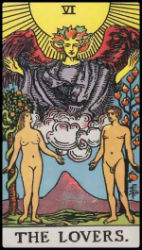
The Lovers is certainly an encouraging card in a romantic reading. It can represent attraction, emotional connection, harmony, and the experience of finding someone with whom we feel a powerful bond.
However, the Lovers also represents choices.
In the traditional Tarot, its significance extends beyond romantic attraction to questions of values, personal decisions, and the consequences of choosing one path over another.
The Lovers may suggest that two people feel profoundly drawn to each other, but it doesn’t necessarily tell us whether they possess the patience, compatibility, and commitment required to remain together.
For that, I would rather see cards like Temperance, the Ten of Pentacles, or even the seemingly unromantic Eight of Pentacles.
Falling in love and staying in love are two very different accomplishments.
How to Recognize a Lasting Relationship in a Tarot Reading
When asking the Tarot whether a relationship will endure, it’s important to consider the entire reading rather than relying on a single favorable card.
For example, the Two of Cups combined with the Ten of Pentacles is especially encouraging. The first card represents mutual affection, while the second suggests the potential for a secure and lasting future.
Temperance combined with Strength suggests a couple who can work through difficulties with patience and compassion.
The Four of Wands combined with the Hierophant may indicate a relationship moving toward marriage or another form of formal commitment.
And the Eight of Pentacles combined with the King of Pentacles suggests a partnership supported by responsibility, dedication, and a willingness to build something substantial together.
Of course, no Tarot card can guarantee that a relationship will last forever. People possess free will, circumstances change, and even the most promising relationships require ongoing attention.
The Tarot is best understood as revealing patterns, possibilities, and the underlying dynamics of a relationship rather than establishing an unchangeable future.
Final Thoughts: Love Is More Than Romance
One of the most interesting things about the Tarot is that its most romantic cards aren’t necessarily its strongest indicators of a lasting relationship.
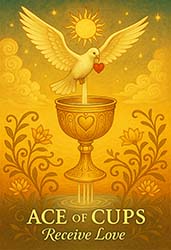
The Ace of Cups may announce the beginning of a wonderful love affair. The Lovers may suggest an extraordinary attraction. The Knight of Cups may arrive with flowers, poetry, and declarations of undying devotion.
But when we’re asking whether two people will still be together twenty years from now, we need to look for something deeper.
We need the stability of the Ten of Pentacles, the patience of Temperance, the compassion of Strength, and the dedication of the Eight of Pentacles.
Because ultimately, lasting love isn’t simply something that happens to two people. It’s something they create together.