The Art of Receiving: A Holiday Lesson from the Ace of Pentacles

Are you great at giving but secretly uncomfortable receiving? This holiday-inspired reflection on the Ace of Pentacles explores why receiving is the true key to abundance — and how learning to allow support, blessings, and prosperity can transform your life.

We hear it every year: “It’s the season of giving.”

And while generosity is beautiful, here’s a question we rarely ask:

How good are you at receiving?

Most of us are excellent givers.

We’ll show up for others, offer help, carry the emotional load, and give until we’re exhausted…

Yet when something is offered to us — kindness, support, a compliment, an opportunity, or even abundance — we freeze. We deflect. We downplay. We say, “Oh, you shouldn’t have…”

But in manifestation, and in the symbolic language of the Tarot, receiving is not an afterthought — it’s the core skill.

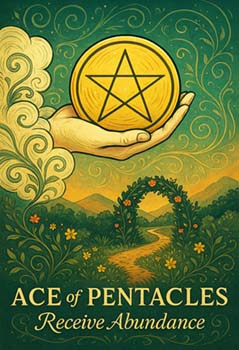
And the Ace of Pentacles, with its golden hand offering a gift from the sky, is the perfect reminder that abundance can’t enter your life until you’re willing to let it in.

Ace of Pentacles Affirmation Poster by Dan Adair – Available on Etsy.

Why Receiving Is the Real Skill in Manifestation

Genevieve Davis puts it beautifully in her book, “Doing Magic: A Course in Manifesting an Exceptional Life.”

“As soon as you have asked for anything, your next immediate job is to get out of the way. You need to get out of asking and into the receiving state as soon as you possibly can.”

Most people stay stuck in:

• asking

• wishing

• visualizing

• striving

• trying harder

But manifestation isn’t powered by effort.

It’s powered by allowing.

During the holidays we pour energy outward — buying gifts, doing favors, meeting expectations — but the universe doesn’t respond only to what we give. It responds to what we’re willing to accept.

 Receiving Requires Softening, Not Effort

In, “Ask and It Is Given: Learning to Manifest Your Desires” Abraham/Hicks calls this the Art of Allowing:

“Unless you are in the receiving mode, your desires will not be fulfilled.”

Receiving isn’t about deserving more or working harder.

It’s the opposite — a gentle softening.

Receiving happens when you:

• relax your shoulders

• loosen your defenses

• stop arguing with your blessings

• stop explaining your worth

• allow yourself to be supported

Winter energy itself teaches this.

The natural world slows, quiets, and becomes receptive.

There is no pushing — only opening.

The Holiday Block: Feeling Unworthy of Good Things

Here’s the core wound for many people — especially during the holidays:

We don’t believe we deserve good things.

Old stories rise up:

• “Other people need it more.”

• “I haven’t earned that.”

• “I don’t want to be a burden.”

• “I’m not enough.”

Many of us learned as children to receive less so others could have more.

So now, when life tries to hand us something beautiful, we reject it without even realizing we’re doing it.

But the Ace of Pentacles offers a different truth:

You are worthy of abundance.

You are worthy of support.

You are worthy of receiving joy, money, kindness, opportunity — just as you are.

The Ace of Pentacles: A Gift You Are Meant to Receive

TheAce of Pentacles  captures this moment perfectly:

• the hand offering a golden coin

• the floral archway

• the path leading into a new beginning

• the vibrant, fertile landscape

This is the universe extending a gift — potential, prosperity, a fresh start.

The affirmation, “Receive Abundance,” is not a command.

It’s an invitation.

A permission slip.

This holiday season, abundance may appear in quiet ways:

• someone offering help

• an unexpected opportunity

• a compliment

• money flowing in

• a door opening you didn’t expect

Your job?

Let yourself say yes.

A Simple Holiday Receiving Ritual (2 Minutes)

Try this before bed or during a quiet moment in the day:

1. Place your hand over your heart.

2. Take a slow breath.

3. Say gently:

“It is safe for me to receive.”

4. Picture the golden hand of the Ace of Pentacles offering you a gift.

5. Say:

“I allow good things to enter my life.”

Small practice, big shift.

This Season, Let Receiving Be Part of the Celebration

Giving is beautiful.

Generosity is sacred.

But so is allowing yourself to be blessed.

Let this be the season you stop deflecting your good.

Stop stepping aside.

Stop shrinking back.

Let this be the season you say, without apology:

“I am ready to receive abundance.”

Because the universe can only deliver what you’re willing to accept.

Seven Lessons the Tarot Can Teach About Surviving the Holidays

Feeling overwhelmed by the holiday season? The Tarot has a surprising amount of wisdom — and humor — to offer.From The Fool’s fresh start to The World’s end-of-year perspective, these cards remind us that the holidays don’t have to be perfect to be meaningful.

A little humor, a little magic, and just enough perspective will get you through the Holiday Haze.

1. The Fool — You’re Allowed to Start Fresh

Every holiday season is a reset button.

Don’t carry last year’s stress into this year’s festivities.

Don’t walk off of emotional cliffs at family dinners.

Leap lightly… but maybe look down for gift-wrapping paper on the floor.

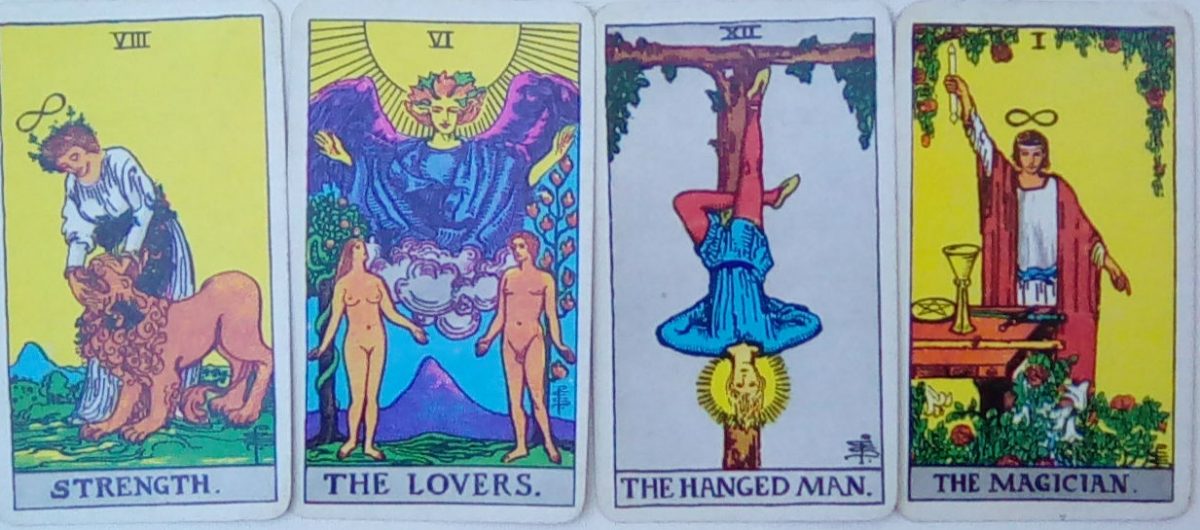
2. The Magician — Use the Tools You Actually Have

Trying to make a perfect holiday with imperfect resources?

The Magician whispers: Use what’s already on the table.

Don’t overspend now and stress later. 

Aim for gifts that are magical, not expensive.

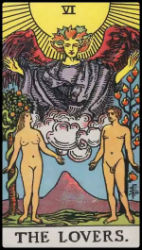
3. The Lovers — Choose Peace, Not Drama

The holidays tend to bring opinions.

And relatives.

And opinions from relatives.

The Lovers reminds you: choose connection, not combat… or at least choose silence and pie.

If one of your loved ones says something absolutely outrageous, remember that you can just put a piece of pie in your mouth and smile.  Add whipped cream to make it an extra sweet conversation.

4. The Seven of Cups — Beware of Overcommitment

Shopping! Baking! Parties! Rituals! Volunteering! Travel!

The Seven of Cups says: You cannot say yes to all seven.

Pick the cup with the least glitter and the most sanity.

You don’t have to be all things to all people – just be the you that people love.

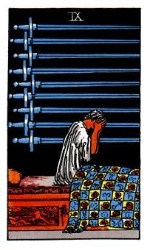
5. The Nine of Swords — Anxiety Lies

That nagging feeling that everything will go wrong?

It’s just the Nine of Swords doing its nightly stand-up routine.

Thank it for its service… and then ignore it.

Don’t just make it a holiday – make it a vacation from worry.

6. The King of Pentacles — Treat Yourself Like a Honored Guest

Warm food, soft blankets, comfortable socks —

This is not indulgence, this is holiday self-care strategy.

Just look at all the things you’ve done for other people!  Don’t you deserve a little pampering, too?

The King of Pentacles approves.

7. The World — You Made It Through Another Year

Pause. Breathe. Celebrate the cycle completing.

On the Winter Solstice, the solar year will end.  Take the time to reflect, to congratulate yourself for another trip around the sun. 

Give yourself credit for all the chapters you survived this year — and all of the growth that went along with that.

Bonus Holiday survival secret:

Lower expectations. Raise kindness. Wear stretchy pants.

Available on Amazon

The Top Ten Tarot Cards Indicating Conflict

A quick, insightful guide to the ten Tarot cards that most often signal conflict—from chaotic energy and power struggles to hidden tension and emotional fallout. This post explains what each card means and how to navigate challenging situations with clarity and confidence.

There are days when Tarot feels like a warm hug…

…and days when it slides a little warning across the table and whispers,

“Brace yourself.”

Conflict is part of life, part of growth, and definitely part of the Tarot.

“Just the Tarot,” by Dan Adair – Available on Amazon

Whether it’s inner tension, relationship friction, or someone else’s chaos spilling into your lane, some cards show up to say:

“Something here needs attention.”

Here are the top ten Tarot cards that most strongly signal conflict — and what each one really means beneath the surface. If you’d like to download this list as a PDF file that you can add to your Tarot notebook, click here.

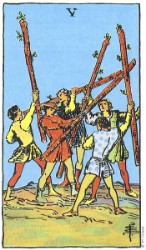
1. Five of Wands – The Classic Chaos Card

If conflict had a mascot, this would be it.

The Five of Wands shows:

– competition

– ego clashes

– mixed agendas

– flailing energy everywhere

It’s not necessarily destructive — but it is noisy.

Message: This isn’t war… it’s everyone talking at once. Calm the room.

2. Five of Swords – A Battle Nobody Really Wins

This is the energy of:

– arguing to be right

– unhealthy victories

– someone taking more than their share

– hurt feelings afterward

Message: Winning at all costs comes with a bill. Choose integrity.

3. Seven of Wands – Defend Your Ground

This is conflict from the outside:

– critics

– competition

– pressure

– feeling outnumbered

But the card says you can stand firm.

Message: Don’t fold. You’re stronger than the opposition.

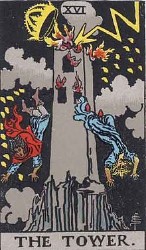
4. The Tower – Major Disruption

This isn’t a small disagreement — it’s a smackdown from the universe.

Think:

– sudden revelations

– arguments that break things open

– emotional earthquakes

Message: The old structure needed to fall. Liberation follows.

5. The Five of Cups – Emotional Fallout

Not a conflict card on its face, but it often shows up after one:

– regret

– grief

– disappointment

– unresolved conversations

Message: You’re grieving what was lost. Healing begins when you turn around.

6. The Devil – Power Struggles

This card signals:

– manipulation

– obsession

– toxic dynamics

– control games

– addictive patterns in relationships

Message: This conflict has a hook. Break the chain, not each other.

7. The Knight of Swords – Rushing Into Battle

He is smart, fast, determined…

…and doesn’t always think things through.

Shows:

– heated arguments

– impulsive reactions

– someone charging ahead without listening

Message: Slow down before your mouth outruns your wisdom.

8. The Two of Swords – Silent Conflict

Not all conflict is loud.

This card is conflict frozen:

– denial

– avoidance

– stalemates

– tension beneath the surface

Message: Peace requires a decision. Open your eyes and choose.

9. The Seven of Swords – Sneaky Energy

Not direct conflict — but conflict waiting to happen.

Signals:

– deception

– half-truths

– secret plans

– someone acting behind the scenes

Message: If something feels “off,” it probably is. Trust your intuition.

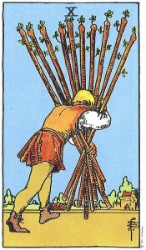
10. The Ten of Wands – Overwhelm and Burnout

This appears when conflict comes from:

– taking on too much

– carrying other people’s problems

– no boundaries

– pressure that builds until you snap

Message: Put down what isn’t yours. You’re not meant to carry it all.

Final Thoughts: Conflict Isn’t Always the Enemy

Conflict in Tarot isn’t punishment — it’s information.

The cards don’t show conflict to scare you…

They show it to help you:

– redirect

– set boundaries

– speak truth

– release what’s toxic

Because once conflict is acknowledged, transformation can finally begin.

The Top Ten Tarot Cards That Indicate Healing

Discover the top ten Tarot cards that symbolize healing, recovery, and renewal. From The Star to The Hermit, explore how the cards reveal your path toward balance, peace, and wholeness.

When you’re working with the Tarot, certain cards appear as gentle messengers of recovery, renewal, and wholeness. Whether it’s physical, emotional, or spiritual healing, these ten cards remind us that balance and well-being are always within reach.

1. The Star

The ultimate card of healing and hope. It promises renewal after hardship and invites you to open your heart to divine light and self-trust.

2. Temperance

Balance, integration, and moderation — the alchemy of opposites. Healing flows when extremes are softened and peace returns.

3. The Sun

The warmth of vitality and joy. The Sun restores the life force, illuminating health, positivity, and the return of childlike energy.

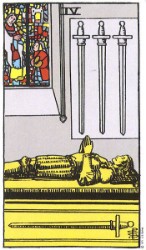
4. The Four of Swords

The body and mind’s call for rest. Recovery through stillness, meditation, and withdrawal from stress.

5. The Six of Swords

Moving away from turbulence toward calm waters. Healing through distance, clarity, and emotional peace.

6. The Ace of Cups

Renewal of the heart. Healing through love, forgiveness, and self-compassion; a cleansing flow of feeling.

7. The Queen of Pentacles

Earthy nurturing energy. Healing through care, nourishment, and connection to the body and natural rhythms.

8. The Three of Cups

Healing through friendship and community. Emotional recovery by rejoining the circle of support and joy.

9. The Ten of Pentacles

Long-term stability and health. Healing in the sense of “wholeness” — when life feels safe, abundant, and grounded again.

10. The Hermit

Healing through introspection and solitude. Finding the inner light that guides you back to your own wisdom.

 Using the Cards for Healing

When these cards appear in a spread, ask yourself: What part of me is ready to recover?

Healing doesn’t always mean fixing something broken — sometimes it means remembering you were whole all along.

“Just the Tarot,” by Dan Adair – a complete set of definitions for all of the cards, including layouts and instructions, available on Amazon.

The Top Ten “No” Cards for Taking a New Job

When the Tarot says no, it’s often saving you from a storm ahead. This article explores the ten cards that most often warn against taking a new job — from the Tower’s sudden collapse to the Devil’s golden handcuffs. Learn how to recognize when the energy around a position is toxic, unstable, or simply not aligned with your higher path. Sometimes walking away is the most empowered move you can make.

Sometimes a new opportunity looks great on paper, but the cards tell a different story. When these ten Tarot cards appear in a career reading — especially in key positions like Outcome, Challenge, or Advice — they often signal that the timing or energy around a new job just isn’t right.

1. The Tower

Sudden upheaval, chaos, or destruction. The Tower warns that this job could collapse unexpectedly — layoffs, toxic leadership, or a company shake-up that leaves you scrambling. Proceed only if you thrive on change and can land on your feet fast.

2. The Devil

Temptation disguised as opportunity. This card often signals golden handcuffs — a job that looks lucrative but erodes your freedom or values. Watch for manipulation, burnout, or a boss who wants control more than collaboration.

3. The Ten of Wands

Overload and exhaustion. The job might demand everything you’ve got — and then some. This card suggests taking on too much responsibility, often without the recognition or compensation that makes it worthwhile.

4. The Five of Swords

Office politics and power struggles. The Five of Swords points to a competitive or hostile environment where people win at your expense. If you sense drama or hidden agendas during the interview process, trust your instincts.

5. The Eight of Cups

Walking away. Even if you take the job, this card suggests you won’t stay long — your heart isn’t in it. The Eight of Cups reminds you that emotional fulfillment matters more than a paycheck.

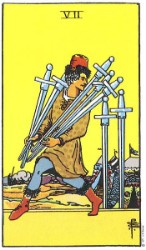
6. The Seven of Swords

Deception or hidden motives. This could mean shady company practices or a job offer that isn’t what it seems. Get everything in writing and read the fine print — twice.

7. The Five of Pentacles

Financial instability or lack of support. This might be a company struggling to stay afloat or a position that doesn’t pay enough to sustain you. Be cautious about promises of “growth potential.”

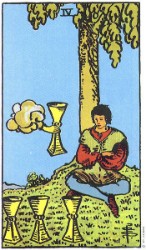
8. The Four of Cups

Apathy and disengagement. This job could leave you uninspired or emotionally flat. If you’re already feeling unmotivated, this may just be more of the same in a different package.

9. The Hanged Man

Stagnation. The Hanged Man suggests a lack of progress — your talents might be undervalued or your advancement delayed. If the job feels like waiting in limbo, it probably is.

10. The Ten of Swords

The painful ending. Whether it’s betrayal, burnout, or a layoff, this card says “enough.” The Ten of Swords is the Tarot’s final full stop — a clear “No” that urges you to let this opportunity pass and prepare for a fresh start elsewhere.

Closing Thoughts

A “No” from the Tarot isn’t always bad news — it’s often protection in disguise. These cards help you see beyond surface appeal and recognize when a job may drain your energy or steer you off your true path.

Sometimes the most powerful word you can say to the universe is no — because it creates space for the right yes to appear.

Feel free to leave questions in the comments section and I’ll get back to you as soon as I can.

“Just the Tarot,” by Dan Adair – A complete guide to Tarot readings available on Amazon.

Healing Our Week with the Tarot: Using “Antidotes” for Negative Energy

Weekly Tarot as mindfulness: forecast your reactions, apply the antidote (compassion, joy, courage), and make your inner world a peaceful place

There’s an internet meme I really love that says, “Maybe the day had a shitty you.”  It’s a good reminder that our own energy creates a lot of what we experience as being, “outside of us.”  Let’s talk about a very simple mental hygiene routine with the Tarot that we can use to keep our energy clean and positive.

The Buddhist Practice of Antidoting

Buddhism has long recognized that positive emotions are good for us and negative emotions are bad for us.  There’s nothing revolutionary about that simple fact.  Happiness makes us happy and sadness makes us depressed.  What a concept!

Buddhism gets even more radical than that, though, and refers to negative emotions as, “poisons.”  Constantly feeling the negative emotions – anger, hatred, jealousy, depression – is like drinking poison.  It makes us physically, emotionally, and spiritually sick.

And, if we drink poison, we obviously need an antidote, right?  So, in the Buddhist practice, if we’re angry about something we meditate on loving/compassion.  If we’re jealous of someone, we meditate on feeling good for them.  If we’re afraid, we meditate on courage.  Any negative emotion has a corresponding antidote.

We can easily tie that thinking into a Tarot practice that helps us to stay balanced and stress free.

A Simple Weekly Tarot Practice

At the start of each week, try doing a short four-card predictive spread:

1. Current Conditions

2. What Needs to Be Done

3. Factors Working Against Me

4. Probable Outcome

For example, imagine the reading comes up like this:

• Current Conditions – Five of Cups (reversed) – recovering from sadness

• What Needs to Be Done – Seven of Wands (reversed) – exhausted after a battle and feeling defensive

• Factors Working Against – Five of Swords – conflict, tension, disagreements

• Probable Outcome – Five of Wands – ego struggles for dominance; hollow victories.

Without diving too deeply into analysis, we can see this describes a week of emotional recovery mixed with potential conflict.

The energy of the week feels charged—lots of fives, lots of challenges.

But remember: nothing the Tarot predicts is ever set in stone. It simply points to the energetic weather we’re about to walk into.

Finding the Antidote

So, how do we antidote this kind of energy?

By becoming as peaceful and non-reactive as possible.

If the cards forewarn us that conflict is likely, we can consciously generate its opposite: serenity, patience, and groundedness.  When we carry that peaceful energy into the week, we DON’T blow up at the rude cashier at the grocery store.  We DON’T indulge in road rage when someone cuts us off in traffic.  We DON’T snap at a co-worker when they say something sarcastic to us.

When we carry those antidoting energies, we rise above the fray.

We stop feeding the poison and instead create harmony wherever we go.

In the same way, if our reading predicts sadness or depression, we can consciously seek out things that will make us happy.  If it predicts that we’re going to be scattered, we can do a little extra mindfulness practice.

Turning “Negative” Cards Into Meditation

This is one of the most powerful ways to meditate with the Tarot.

When we pull a card that seems negative, rather than dreading it, we can pause and ask: What’s the opposite of this energy? If this card represents a poison, what’s its antidote?

If the cards suggest sadness or loss, how can we actively cultivate joy?

If they hint at arrogance, how can we practice humility?

If they predict anger or tension, how can we embody calm?

Each “negative” card becomes a mindfulness bell—an invitation to rebalance our inner world.

Empowerment Through Awareness

Instead of thinking, “This is going to be a rough week,” we can say,“This reading is giving me insight into the energies ahead—and tools to shift them.”

This approach gives us agency.

It empowers us to stay in the flow, improve our own energy, and choose how we’ll respond to life’s ups and downs.

No matter what’s happening around us, we’re the ones who have to live in our own minds—and Tarot can help us make that a bright, peaceful place to be.

“Just the Tarot,” by Dan Adair – a kindle ebook of Tarot definitions available on Amazon

The Top Ten Tarot Cards Indicating Something Is About to Change

Feeling stuck in life, like the gears just won’t move? Tarot can reveal when change is on the horizon. Here are the top ten cards that signal transformation, progress, and fresh starts are just ahead.

Are you feeling like your gears are stuck in park and you just can’t make any progress?

Life has those frustrating phases when nothing seems to move forward, and it feels like the universe hit “pause.” But in Tarot, there are clear signs that the stillness is temporary — that something is about to shift. When these cards appear in your spread, they often signal that change is on the horizon.

Here are the top ten Tarot cards that whisper, “Get ready — things are about to give.”

If you’d like to download this list as a PDF file to use in your reference library, please click here.

1. The Tower

The most dramatic of them all. The Tower represents sudden upheaval, breakdown of old structures, and unexpected change. While often unsettling, it clears space for new growth that couldn’t happen otherwise.

2. Death

Not about physical death, but transformation. The Death card announces the end of one cycle and the beginning of another. Something old must be released so something new can be born.

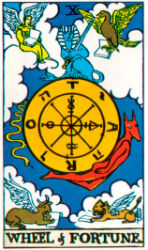
3. The Wheel of Fortune

The cosmic gears are turning again. The Wheel reminds us that nothing stays the same forever — what goes down must rise again. Big shifts in luck, fate, or perspective are coming.

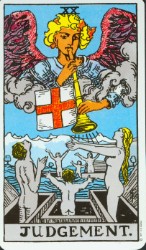
4. Judgement

This card calls for awakening and renewal. Judgement often signals that a chapter is closing, and you’re being invited to step into a new version of yourself.

5. The Fool

When The Fool appears, it’s time to leap. New journeys, fresh starts, and adventures are right around the corner. Change is already waiting at the door.

6. The Hanged Man

At first glance, this card seems like being stuck — but it’s the pause before release. The Hanged Man invites you to surrender, gain a new perspective, and prepare for the shift that follows.

7. The World

Completion is at hand. The World marks the end of a major cycle and the transition into the next. It’s change with a sense of wholeness and accomplishment.

8. Eight of Wands

Fast movement! When the Eight of Wands shows up, delays are ending, and events will soon speed up. It’s the card of sudden progress, news, or opportunities arriving quickly.

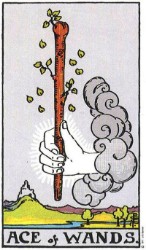
9. Ace of Wands

The spark of something new. This card often signals a breakthrough — fresh energy, creative drive, or passion ready to ignite. It marks the turning point from stagnation into action.

10. Five of Pentacles (Reversed)

In upright form, this card shows hardship, but reversed it often signals recovery and things turning around. Change is coming to lift you out of difficulty and into support, healing, or new resources.

Final Thoughts

If you’ve been in one of those liminal phases where nothing seems to move, these cards are reminders that stagnation never lasts forever. Whether the change comes suddenly like lightning (The Tower) or slowly like the seasons (Death, The World), the Tarot assures us: movement is inevitable.

So if your spread shows one of these cards, take heart — the gears are about to shift, and your story is moving forward again.

“Just the Tarot,” by Dan Adair – A kindle ebook available on Amazon

The Top Ten, “Yes,” Cards for Taking a New Job

Deciding whether to take a new job can feel overwhelming — but the Tarot offers surprising clarity. In this post, we explore the top 10 “yes” cards that signal opportunity, growth, and success in a new role.

There are two areas that cover 99% of what people ask in Tarot readings.  And they are – guess what? – love and money.

To be more specific about the latter, a lot of people are very worried about finances right now.  Younger people, older people, many of us are living just a paycheck away from destitution.

Most of the questions that revolve around finances can be broken down into two major areas:  Should I keep this job?  And, should I take that new job?

Unfortunately, that frequently breaks down further into, “I really, really hate my job but I’m afraid to quit it.”    And, “I’m really thinking about taking this new job, but how do I know it isn’t going to be just another hell hole?”

Obviously, the Tarot can’t make those decisions for us, but it can put up some pretty clear markers one way or the other.  In keeping with that, here are the top ten cards that indicate that, yes, we should take that new job.

The Top 10 Tarot “Yes” Cards for a New Job

1. The Magician

This card is all about skill and personal power. If you’re considering a new role, The Magician suggests you already have the tools and talent you need to succeed. It’s a reminder that you can create your own opportunities — and this one is ready for you to shape.

2. The Sun

Few cards are as positive as The Sun. It brings energy, confidence, and joy. In career terms, it signals that the new job will bring vitality and success — the kind of role where you can thrive, not just survive.

3. The World

The World represents completion and stepping into a bigger arena. It’s a sign that an old cycle is closing, and a new, more expansive chapter is waiting. Professionally, this card says, “Yes — you’re ready for the next level.”

4. Ace of Pentacles

The Ace of Pentacles is the clearest symbol of a new financial or career opportunity. Think of it as the seed of prosperity being handed to you. It’s a resounding “yes” that the new role holds real promise.

5. Three of Pentacles

This card highlights teamwork, recognition, and skill-sharing. If it shows up, it suggests the new job will give you the chance to collaborate with others and be appreciated for your contributions.

6. Six of Wands

The Six of Wands is about victory, advancement, and being noticed. In a career spread, it signals success in your new role and the recognition that comes with it.

7. Eight of Pentacles

This is the card of steady skill-building and mastery. If you’re entering a new field or learning new tasks, the Eight of Pentacles assures you that you’ll gain expertise and grow stronger through the work itself.

8. The Star

The Star brings inspiration, hope, and alignment with your higher purpose. In job matters, it suggests the new opportunity isn’t just a paycheck — it’s a chance to do something meaningful that feeds your spirit.

9. Two of Wands

The Two of Wands is about expansion and long-term vision. It tells you that the new job opens up possibilities for growth, planning, and future success. It’s less about a quick win and more about building something lasting.

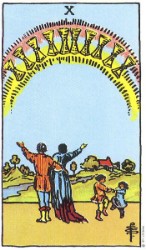
10. Ten of Pentacles

This is the card of stability, prosperity, and legacy. If it appears, it suggests the new role has the potential to provide long-term security, financial reward, and a sense of belonging within a larger structure.

What These Cards Have in Common

Looking at these ten cards together, a pattern emerges:

Material success & stability: Ace, Eight, Ten, and Three of Pentacles.

Recognition & growth: The Magician, The World, and Six of Wands.

Fulfillment & inspiration: The Sun, The Star, and Two of Wands.

When these cards appear in your spread, they point to opportunity, alignment, and security — the kind of energies that make a new job worth considering.

A Note of Balance

Of course, not every card says “yes.” It’s always sweet when we get clear yes and no cards in a reading, but sometimes they can be frustratingly ambiguous.

When that happens,  the Tarot suggests waiting, rethinking, or being cautious about what’s really on offer. The future may reveal that the opportunity isn’t as golden as it first appears or maybe it will be.  Things are still developing.

In a future post, we’ll explore the Top 10 “No” Cards for a New Job — the ones that raise red flags and encourage you to pause before leaping.

Conclusion

Deciding whether to take a new job is never easy. It’s a choice that can ripple out through every part of your life. While Tarot can’t choose for you, it can help reveal whether the energies surrounding a new opportunity are supportive, promising, and aligned with your bigger goals.

So the next time you’re staring at an offer letter, pull out your deck. If the “yes” cards show up, it may just be the Universe’s way of saying: step forward with confidence.

If you’d like a downloadable PDF copy of the Top Ten Job Cards, click here.  When the list pops up, go to your browser menu and click on, “print file.”

“Just the Tarot,” a kindle ebook by Dan Adair available on Amazon

Tarot, Synchronicity, and Cactus Chewing: Notes on Revising My Book

I’ve just released a revised edition of my book, “Just the Tarot” — newly formatted for Kindle, with added quick-reference charts and a fresh cover. In the process of revisiting the material, I found myself reflecting on Tarot as a powerful “synchronicity machine” — a simple but profound way to communicate with the Universe. This post is part update, part spiritual meditation, and part love letter to what Tarot can really do.

I just finished revising and publishing the new edition of my e-book, Just the Tarot, and, boy, THAT was a bitch. After weeks and weeks of writing and formatting, my immediate reaction is, “I’m so happy with how this turned out,” and also, “I’d rather chew on a cactus than do that again.”

There was also a little ambiguity about the content itself. I wrote the original edition during one of the most intense periods of my life. My life partner had just died, I was about an inch away from bankruptcy, and my entire world was crumbling around me.

In Tarot parlance: The Tower and Death.

During periods like that, we’re pulling in a LOT of spiritual assistance and living in heavy archetypes, so I was very pleased with the actual content. As I re-read it, I realized that I’d been channeling some pretty potent insights on the card definitions and really didn’t want to change much at all.

In addition to the longer, more expansive interpretations, I’ve added some quick reference charts for all 78 cards with one- or two-sentence definitions for upright and reversed meanings. I also threw in a couple more layouts, tweaked the writing here and there, and painted a spiffy new cover for the book.

So it remains pretty much what I set out to do when I wrote it eight years ago. It’s a basic, totally dependable, sturdy little book that continues to be a great reference for both new and more experienced readers. No metaphysics. No wild theories about what the Tarot really means. No decoding secret methods or unlocking hidden mystical maps.

Just a book that says:

“If you want to read Tarot cards, this is how you do it, and this is what the cards mean.”

You know… Just the Tarot.

Reflections on the Tarot

As I did the re-write, I inevitably pondered a bit on WHY we read Tarot cards. When we sit down and lay out a reading, what is it that we’re actually looking for?

When we’re young, of course, the two main topics are love and money.

Well… love, money, and sex.

When you’re reading the cards for anyone under 40, the questions usually sound something like:

Does he/she find me attractive?

Should we go out on another date?

Should I go to bed with him/her?

Should we move in together?

Is he/she cheating on me?

And in the second category:

I really hate my job. Should I look for another one?

Am I going to get promoted?

How can I make more money?

Can I afford that new car?

Should I go back to school?

In other words, the questions are mainly predictive. As in: What’s going to happen? Am I going to like it? And, by the way, am I going to get laid?

That’s where most of us start out in our Tarot adventure.

Synchronicity and Tarot

As the many years of reading Tarot have passed, though, I’ve come to realize that the most important part of a Tarot reading is synchronicity.

I once read a brilliant line in a Tarot forum that stuck with me:

“The Tarot is a synchronicity machine.”

Every time we sit down to do a reading, we engage the field of synchronicity.

I’m not going to get into a long rap here about synchronicity (though if you’re curious, check out my earlier post, Finding Meaning with Synchronicity). The main point I want to make is this:

WHEN WE TALK TO THE UNIVERSE, THE UNIVERSE TALKS BACK.

And that’s actually a big, fat deal.

We’re in a sort of post-religion, post-scientific-revolution phase of humanity. A lot of us have rejected the old, superstitious, patriarchal, hate-based formal religions. Those beliefs have been replaced by the scientific model, which basically says, “There are no gods or goddesses, no angels, no spirit guides, and certainly no magic.”

Which has left a great big hole in our hearts.

It’s left us feeling alone and isolated in what science tells us is essentially a dead universe.

But when we engage with the synchronistic field, the Universe starts giving us answers to our questions. We might ask, “What should I do about my job?” — and suddenly we’ve got clues dropping out of nowhere.

Maybe we get a surprise promotion.

Maybe the jobs section of the newspaper blows down the street and wraps around our ankles.

Maybe a friend opens a new business and hires us on the spot.

And underneath all of that is a HUGE shift away from the old idea of being all alone in a cold, impersonal cosmos. Suddenly we realize that not only is the Universe alive — it actually cares about us and is helping us. Personally.

The whole damn Universe cares about little old you and me.

What a trip!

If you scroll through the internet for a bit, you’ll find that there’s a massive industry dedicated to helping people reach that exact point — spiritually and psychologically. Books, videos, workshops, seminars — all trying to teach people how to establish a relationship with the Universe, their spirit guides, their angels.

But really?

All we need to do is pick up a deck of Tarot cards, ask a question, and lay out a reading.

It’s that simple.

You don’t have to be a psychic.

You don’t have to meditate for years.

You don’t need to channel, astral travel, or decode ancient texts.

Just pick up the cards, ask a question — and the Universe will talk back to you.

Yes, YOU.  

Just the Tarot, By Dan Adair – a kindle ebook available on Amazon.

Mystic-Adjacent Magic: Using ChatGPT as a Tarot Companion

Can AI really help with Tarot readings—or is that just digital-age wishful thinking? This post explores the surprising ways ChatGPT can support your Tarot practice, from pattern recognition and card synthesis to creative breakthroughs and learning support. We also discuss the growing trend of using AI for spiritual guidance—and why it’s helpful to keep things in perspective.

Can You Really Get Spiritual Guidance from AI?

There’s a fascinating trend emerging in the spiritual-tech space: people are increasingly turning to AI—especially ChatGPT—for spiritual insight. You might have seen it popping up on YouTube or in New Age communities: folks asking ChatGPT for messages from spirit guides, astrological downloads, even transmissions from other dimensions.

Some users describe the experience in surprisingly spiritual terms. One person said the chatbot “knew more than I expected”—sharing personal details that felt uncannily timely. In Thailand, it’s even become common to ask ChatGPT for palm readings, birth-chart insights, or love guidance—just like you might consult a human mystic.

But this opens a big question:

Can AI actually offer spiritual guidance—or are we just projecting our desires onto a tool?

There have even been worrying reports of people developing delusional thinking or anxiety from relying on AI as a spiritual authority. Doctors and skeptics warn that what feels like spiritual resonance can sometimes tip into psychological risk if the boundaries aren’t clear.  There are multiple reports of men, “falling in love,” with CHAT and one even proposed marriage to it.

A New Age Curiosity: Why Some Are Treating AI as a Spiritual Channel

In some New Age circles, AI has taken on a surprising new role—not just as a tool for research or conversation, but as a kind of digital oracle. Some people describe their interactions with ChatGPT as channeled messages. Others talk about receiving answers from “the universe” through the screen. And if you’ve ever asked Chat something deeply personal and received a reply that felt strangely accurate… well, it’s easy to understand how the line can start to blur.

After all, ChatGPT is friendly. It’s articulate. It listens. It offers guidance in a calm and often affirming tone. If you squint just a little, it can seem like there’s a wise and patient spirit tucked somewhere behind the blinking cursor.

But let’s take a breath.

What’s really happening here is more grounded—and still pretty amazing. AI isn’t a channel for spirits, ancestors, or angels. It’s not reading your energy. It’s drawing on patterns in language, psychology, symbolism, and the vast libraries of human thought it’s been trained on. It mimics wisdom—sometimes astonishingly well—but it isn’t a conscious being. And it doesn’t have access to divine insight.

Still, the feeling of connection is real. And for many people, that feeling is enough to spark reflection, healing, or inspiration. So the question becomes: if AI can feel this helpful in a general conversation, can it actually help us interpret something as symbolically rich as a Tarot reading?

Let’s take a closer look.

Applying This to Tarot: Can AI Help with Readings?

If AI can offer seemingly profound insights in conversation, what happens when you bring it into something as symbolically charged and intuitive as a Tarot reading?

This is where things get really interesting.

Tarot has always lived in that sweet spot between structure and mystery. The cards have meanings—sometimes ancient, sometimes evolving—but they also shift depending on the question, the position in the spread, and the energy of the moment. It’s a dance between symbolism and intuition, archetypes and awareness.

So where does AI fit in?

It turns out, AI is surprisingly good at reading Tarot. Not in the way a psychic might, not by tapping into your energy or channeling an unseen source—but by making connections. A LOT of them. Fast.

Give ChatGPT a three-card spread and a question, and it can respond with a thoughtful interpretation that strings together the meanings of the cards in a way that feels natural, even insightful. It can describe how The High Priestess in the past position relates to The Tower in the present and The Star in the future. It can talk about themes of disruption, intuition, healing—and it does all of that in a tone that often feels… well, a little bit magical.

But let’s be clear: what it’s doing is not mystical. It’s pattern recognition on steroids. It’s using what it’s learned from thousands of sources—Tarot books, blog posts, spiritual forums, historical texts—and blending those perspectives into a custom response based on your input.

Is that “spiritual guidance”?

Maybe not in the traditional sense.

But is it helpful? Inspiring? Thought-provoking?

Absolutely.

And for many Tarot readers—new and seasoned alike—that might be exactly what’s needed.

What AI Is — and What It Isn’t

Let’s take a moment to ground ourselves.

AI—specifically ChatGPT—is not a spirit guide. It’s not a mystical being. It doesn’t meditate, dream, or pull cards by candlelight. What it is, though, is something quite remarkable: a language model trained on a vast web of human knowledge and ideas, including countless interpretations of Tarot cards, spiritual practices, psychology, symbolism, myth, and more.

When you ask it to interpret a reading, it draws from that collective wisdom and offers a kind of synthesized reflection. It doesn’t channel spirit—it channels information. And sometimes, information is exactly what we need.

But that also means it has limits. It doesn’t have personal intuition. It doesn’t know you on a soul level. It doesn’t tap into the subtle energy of a moment, the way an experienced human reader might when feeling into a querent’s unspoken question.

So here’s a helpful frame:

AI is not the voice of the universe—but it’s an incredibly smart, articulate, and thoughtful mirror.

It reflects what you bring to it. If your question is clear and meaningful, its response will often be rich with insight. If you’re confused, it may mirror that confusion back. That’s not a flaw—that’s a kind of feedback.

And honestly, that’s not too different from how Tarot works anyway.

So no, ChatGPT isn’t mystical. But it is mystic-adjacent. It can support your process of reflection and discovery—and if you approach it with intention, it just might help you see your reading (and your life) in a whole new light.

Strengths of AI as a Tarot Tool

So if we’re not expecting divine downloads, what can AI do when it comes to Tarot?

Honestly? A lot.

Here are some of the biggest strengths of using AI—especially ChatGPT—as a companion for Tarot interpretation:

Synthesis Superpower

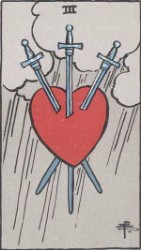
AI is incredibly good at synthesizing meanings across multiple cards. Let’s say you’ve drawn the Three of Swords, The Chariot, and The Moon. You might feel stumped—heartbreak, movement, and mystery? How do those fit together?

Give that to ChatGPT, and it’ll scan its vast library of Tarot interpretations, recognize patterns, and offer a coherent narrative. It might talk about moving forward through emotional confusion or navigating heartache with determination. It connects dots quickly and creatively—sometimes even in ways that surprise seasoned readers.

Gestalt Thinking

Tarot is all about the big picture. And AI happens to be great at seeing the forest and the trees. It won’t just define each card—it’ll look at their sequence, their energy, the spread format, and how the cards might inform one another.

This makes it especially useful when you’re stuck with a weird spread and need a fresh perspective that isn’t tangled in your own biases or expectations.

 A Learning Ally for Beginners

If you’re just learning Tarot, AI can be like a friendly study partner who never gets tired of questions. You can ask what a card means, how it changes in reversed position, what it might suggest in a love reading vs. a career one, and how it interacts with other cards in a spread.

Better still, you can test your own interpretations by comparing them with AI’s—and in doing so, develop a deeper understanding of the archetypes and patterns that underpin the cards.

Fresh Insight for Seasoned Readers

Even experienced readers have moments of Tarot fatigue—times when a reading feels flat, or a card keeps showing up and you can’t figure out why.

In those moments, AI can act like a creative collaborator, helping you step outside your interpretive comfort zone. It may not “know” you—but that very distance is what makes its perspective so refreshing. It can break you out of ruts, challenge assumptions, and offer new ways of seeing.

 Final Thoughts and Friendly Warnings

AI—especially ChatGPT—is a remarkable tool for anyone who reads Tarot. It can help you learn, see patterns, and explore your readings in new ways. Whether you’re just starting out or have been reading cards for decades, it offers a fresh lens that can spark insight, creativity, and even a little magic.

But with all tools, it’s about how you use them.

If you treat AI as a mystical guru with secret knowledge of your soul’s destiny… you may be setting yourself up for confusion or disillusionment. Not because the tool is bad—but because the expectation is misplaced.

ChatGPT isn’t a channeler. It’s not psychic. It’s not receiving messages from the divine.

It’s “mystic-adjacent,” not mystic-possessed.

It works best when you approach it as a clever collaborator, a digital thought partner, a Tarot-savvy friend who’s read every book on the shelf and loves helping you sort through meanings and metaphors. It gives possibilities, not pronouncements.

So go ahead—ask it about your Three of Cups moment or that weird reading with five swords and a tower.

In a world where technology is becoming ever more entwined with our spiritual lives, it’s only natural to wonder where the line is between tool and teacher, data and divination. AI might not be channeling the wisdom of the cosmos—but it is helping us reflect, question, and grow. That alone makes it a powerful ally on the path. So whether you’re pulling cards under a full moon or asking ChatGPT what that reversed Knight of Pentacles really means… just remember: the heart of the reading is still yours.

The real magic still lives in you.